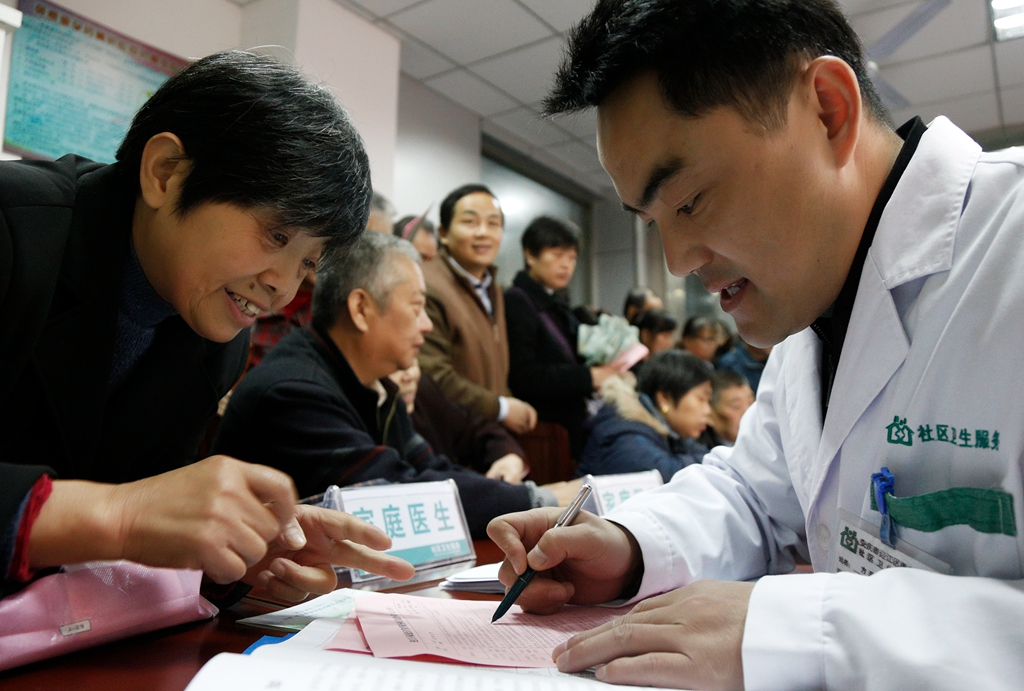
出国旅游、留学或工作中,难免会遇到需要就医的情况。面对陌生的医疗环境和英语交流,很多人会感到紧张。其实,掌握一些核心的口语表达,就能让就诊过程顺畅许多。本文按就诊流程,整理了从挂号、描述症状到咨询医生时最常用的英语口语,并附上中文对照,方便你快速记忆和实际使用。
一、挂号与登记(Registration)
进入医院第一件事通常是挂号。分诊台或挂号处的工作人员会问你一些基本问题:
- “I'd like to make an appointment.” —— 我想预约。
- “I need to see a doctor.” —— 我需要看医生。
- “Do you have any appointments available today?” —— 今天还有号吗?
- “I'm a walk-in patient.” —— 我没有预约,直接来的。
- “Which department should I go to?” —— 我应该去哪个科室?
工作人员可能会问:
- “What brings you in today?” —— 今天哪里不舒服?(这是很常见的开放式问法)
- “Do you have insurance?” —— 你有保险吗?
- “Have you been here before?” —— 你以前来过吗?
回答示例:
- “I have a headache and a fever.” —— 我头痛而且发烧。
- “Yes, I have travel insurance.” —— 是的,我有旅行保险。
小贴士:如果不确定科室,可以直接说“I have a problem with...”;耳鼻喉科可以说 ENT (Ear, Nose, Throat);皮肤问题去 Dermatology;胃痛去 Gastroenterology;儿科是 Pediatrics。
二、描述症状(Describing Symptoms)
见到医生后,准确描述症状是关键。可以从部位、感觉、持续时间三个维度来说:
- “I have a sore throat.” —— 我喉咙痛。
- “I have a sharp pain here.” —— 我这里刺痛。
- “It hurts when I press here.” —— 我按这里会痛。
- “I've had a cough for three days.” —— 我咳嗽三天了。
- “I feel dizzy and nauseous.” —— 我头晕还想吐。
- “I think I have a fever.” —— 我觉得我发烧了。
- “I'm allergic to penicillin.” —— 我对青霉素过敏。
医生可能会问:
- “How long have you had these symptoms?” —— 这些症状持续多久了?
- “Does it hurt here?” —— 这里痛吗?
- “Any trouble breathing?” —— 呼吸有困难吗?
- “Are you taking any medications?” —— 你在吃什么药吗?
回答时可以简单直接:
- “About two days.” —— 大约两天了。
- “Yes, a little.” —— 是的,有一点。
- “No, just some vitamins.” —— 没有,只吃了一些维生素。
三、检查与诊断(Examination & Diagnosis)
医生可能会安排检查:
- “We need to run some tests.” —— 我们需要做一些检查。
- “I'll take your blood pressure.” —— 我来量一下你的血压。
- “Please roll up your sleeve.” —— 请把袖子卷起来。
- “You need an X-ray / blood test.” —— 你需要拍X光/验血。
如果你想咨询检查结果或诊断:
- “What do the test results show?” —— 检查结果怎么样?
- “Is it serious?” —— 严重吗?
- “Do I need to be hospitalized?” —— 我需要住院吗?
- “Could you write that down for me?” —— 你能帮我写下来吗?(请医生写下诊断或药名,方便药房理解)
四、治疗与拿药(Treatment & Prescription)
医生给出治疗方案后,如果有不明白的,大胆问:
- “How often should I take this medicine?” —— 这种药多久吃一次?
- “For how many days should I take it?” —— 要吃几天?
- “Are there any side effects?” —— 有副作用吗?
- “Can I drink alcohol while taking this?” —— 吃药期间能喝酒吗?
- “Where is the pharmacy?” —— 药房在哪里?
- “Can you give me a prescription?” —— 能给我开个处方吗?
药剂师可能问:
- “Do you have any allergies?” —— 你有过敏吗?
- “Have you taken this before?” —— 你以前吃过这种药吗?
重点:务必记住 “allergy” 和 “side effect” 这两个词,安全第一。
五、紧急情况与求助(Emergency & Asking for Help)
如果情况紧急,千万别害羞,直接说:
- “I need an ambulance!” —— 我需要救护车!
- “It's an emergency.” —— 这是急症。
- “Call 911 / 999 / 120.” —— 根据所在国拨打急救电话。
- “My chest hurts and I can't breathe.” —— 我胸痛,无法呼吸。
- “I feel like I'm going to faint.” —— 我觉得我要晕倒了。
在诊所或医院里如果需要帮助:
- “Excuse me, could you help me?” —— 打扰一下,你能帮我吗?
- “I don't understand. Could you speak slowly?” —— 我没听懂,能说慢点吗?
- “Can I have an interpreter?” —— 能帮我找个翻译吗?
六、常用词汇小清单(Quick Vocabulary)
为了方便在场景中反应,记住这些关键单词:
- pain 疼痛
- fever 发烧
- cough 咳嗽
- headache 头痛
- nausea 恶心
- allergy 过敏
- prescription 处方
- insurance card 保险卡
- waiting room 候诊室
- ER (Emergency Room) 急诊室
有时候不一定能把病情描述得像母语那么详细,但“关键词 + 肢体语言”足够救急。万一漏了词,直接打开手机翻译软件给医护人员看。最重要的是:清晰表达,听不懂就问。记住最核心的两句话:“Where does it hurt?”(哪里痛?)和 “I need help.”(我需要帮助)。希望这篇文章帮你减轻面对英文就诊的焦虑,平平安安,健健康康。